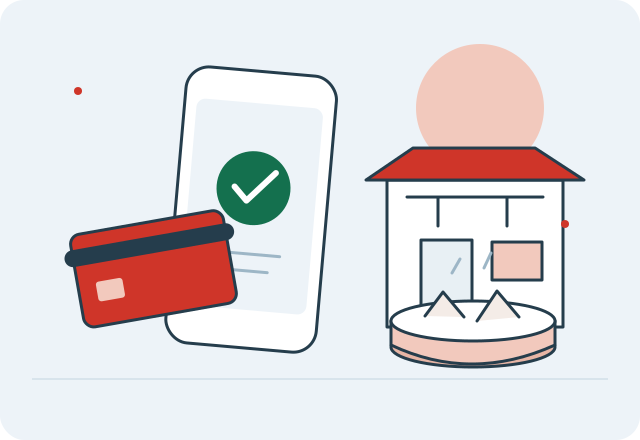
Think in three payment layers
- Your everyday option: an eligible card linked to a mobile payment app.
- Your physical backup: a bank card whose overseas settings and fees you understand.
- Your offline backup: some local cash and a way to keep it secure.
Your small payment backup kit
Make your backup independent of the same phone. A second app on a dead phone is not a battery backup. Keep your physical card, access to some local cash and a secure record of bank support details available separately.
Choose a sensible daily amount based on your own arrangements rather than a universal number from a travel article. Prepaid accommodation and local transport decisions change how much you need to carry.
Compare the total payment cost
Ask your bank about overseas transaction and cash-withdrawal charges. At the point of payment or withdrawal, read any conversion offer and fees before confirming. Keep receipts or transaction references if you need to reconcile spending later.
This guide does not calculate your exchange rate or bank fees. Those depend on the card, bank and transaction you use.
Check fees where the payment happens
The app can show its own service fee, while your bank may apply separate conversion or overseas charges. Read the final screen and check your card’s terms before you travel. A low advertised exchange rate does not tell you the entire cost.
Make your first day easier
Save the Chinese address of your accommodation, keep your booking reference offline and charge your phone. Avoid making the first purchase after a long flight the moment you discover your card needs bank approval.
Payments and cards, one page each
Sources & review notes
- Alipay+ visitor guide ↗ · Reviewed
- Tencent visitor payment guide ↗ · Reviewed
Product prices use their own dates. Provider statements are not independent connection tests. Recheck time-sensitive details before booking.